

What Is Anime Streetwear and Why It Matters
Bold prints and standout graphics are no longer just for comic conventions—they are at the heart of a global style movement where anime streetwear speaks louder than words. For fans eager to rep their favorite Japanese series and express personality, this fashion is about more than cosplay. Anime streetwear is a unique blend of visual storytelling and street style, breaking free from old stereotypes to offer any age group a way to showcase identity, community, and personal taste through what they wear.
Table of Contents
- Anime Streetwear Defined and Common Myths
- Major Styles and Visual Themes Explained
- Key Brands, Influencers, and Collectibles
- How Anime Streetwear Shapes Global Trends
- Buying Tips and Authenticity Concerns
Key Takeaways
| Point | Details |
|---|---|
| Evolving Fashion Trend | Anime streetwear combines elements of anime with street culture, transforming from niche wear to mainstream fashion embraced globally. |
| Diverse Styles | The fashion includes bold graphics, minimalist designs, oversized fits, and symbolic motifs, catering to various tastes and aesthetics. |
| Authenticity Matters | Buyers should verify the authenticity of anime streetwear by researching product origins and recognizing authenticity markers to avoid counterfeits. |
| Global Influence | Anime streetwear is reshaping global fashion trends, allowing individuals to express their identities and connect through narrative-driven aesthetics. |
Anime Streetwear Defined and Common Myths
Anime streetwear is fashion clothing inspired by anime characters, series, and visual aesthetics, blended with the rebellious, expressive DNA of street culture. Think vibrant graphic tees, hoodies with bold character prints, cargo pants, oversized silhouettes, and accessories featuring iconic anime elements. It’s not just about wearing your favorite show on your chest. The visual language of anime merged with streetwear’s raw, anti-establishment energy created something genuinely unique. The result is clothing that communicates identity, taste, and community belonging without requiring you to explain yourself to strangers.
This style emerged from the collision of 1990s skate culture, Japanese subcultures, and anime’s explosive global growth. What started as niche fan wear has evolved into mainstream fashion embraced by millions worldwide. Brands now collaborate with anime properties regularly. Retailers stock anime-inspired collections alongside traditional streetwear. Your local mall probably carries pieces right now. The fashion has transcended its origins to become a legitimate form of self-expression across age groups, genders, and geographic regions. You’ll find teenagers, college students, and working professionals wearing anime streetwear to school, work, and social events.
Here’s where myths start crumbling. Many people assume anime clothing is exclusively for cosplay or hardcore anime fanatics living in their parents’ basements. That stereotype doesn’t hold up. Anime streetwear has evolved into generalized styles that appeal far beyond niche communities. Another common misconception is that it’s purely geeky or juvenile. In reality, the artistry, cultural significance, and design sophistication appeal to adults who appreciate fashion as an art form. Japanese youth culture embraced anime streetwear as premium fashion years ago. International fashion weeks now feature anime-inspired pieces. High-end collaborations between fashion designers and anime studios prove this isn’t a passing fad targeted at kids.
Pro tip: When exploring anime streetwear, look for pieces with subtle anime references rather than oversized character faces if you’re building a versatile wardrobe that transitions between casual and semi-formal settings.
Major Styles and Visual Themes Explained
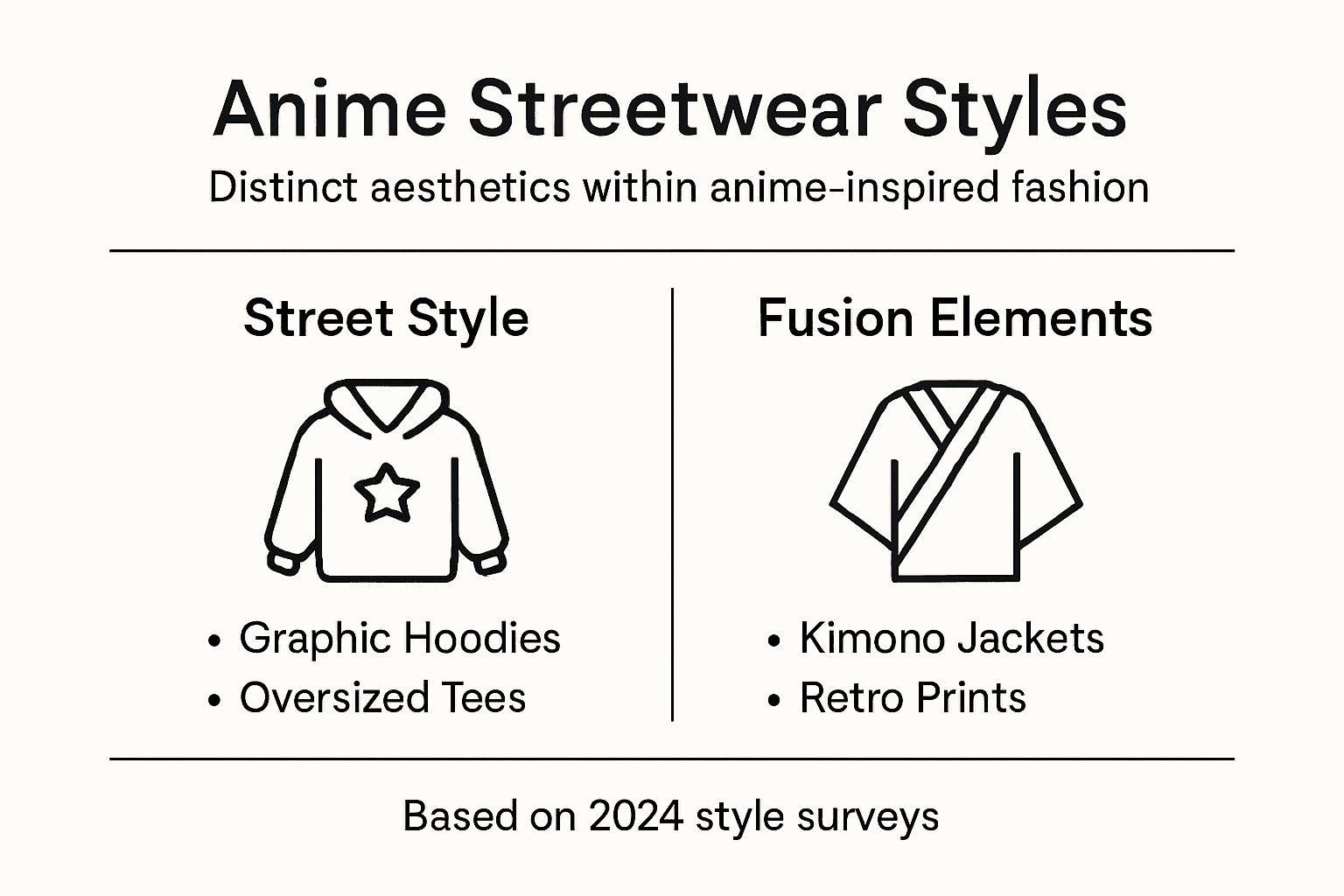
Anime streetwear isn’t monolithic. It fragments into distinct visual styles, each pulling from different anime genres and cultural influences. The most recognizable style features vibrant character prints with dramatic poses, glowing eyes, and explosive color palettes that scream personality and energy. These pieces grab attention immediately. Then there’s the minimalist approach, where monochrome hoodies and tees use subtle anime graphics, clean lines, and understated symbolism. This style appeals to people who want anime flair without broadcasting it to everyone around them. You also see oversized silhouettes inspired by cosplay aesthetics, where baggy cuts and exaggerated proportions dominate. Finally, there’s symbolic design, where clothing features themes from anime narratives like friendship, sacrifice, loss, or personal growth rather than just character faces. A t-shirt might showcase Japanese kanji representing a character’s philosophy or a subtle visual reference to a pivotal story moment.
Visual themes in anime fashion range wildly depending on which anime properties inspire the design. You’ll find everything from Kawaii cute aesthetics with pastel colors and playful characters to dark and edgy visuals pulled from seinen anime targeting adult audiences. Nostalgia drives huge portions of the market, with vintage anime series experiencing fashion revivals decades after their original air dates. Fantasy motifs appear constantly, featuring magical girls, supernatural creatures, and otherworldly imagery. Futuristic themes blend cyberpunk elements with Japanese aesthetics, creating that tech-meets-tradition vibe.
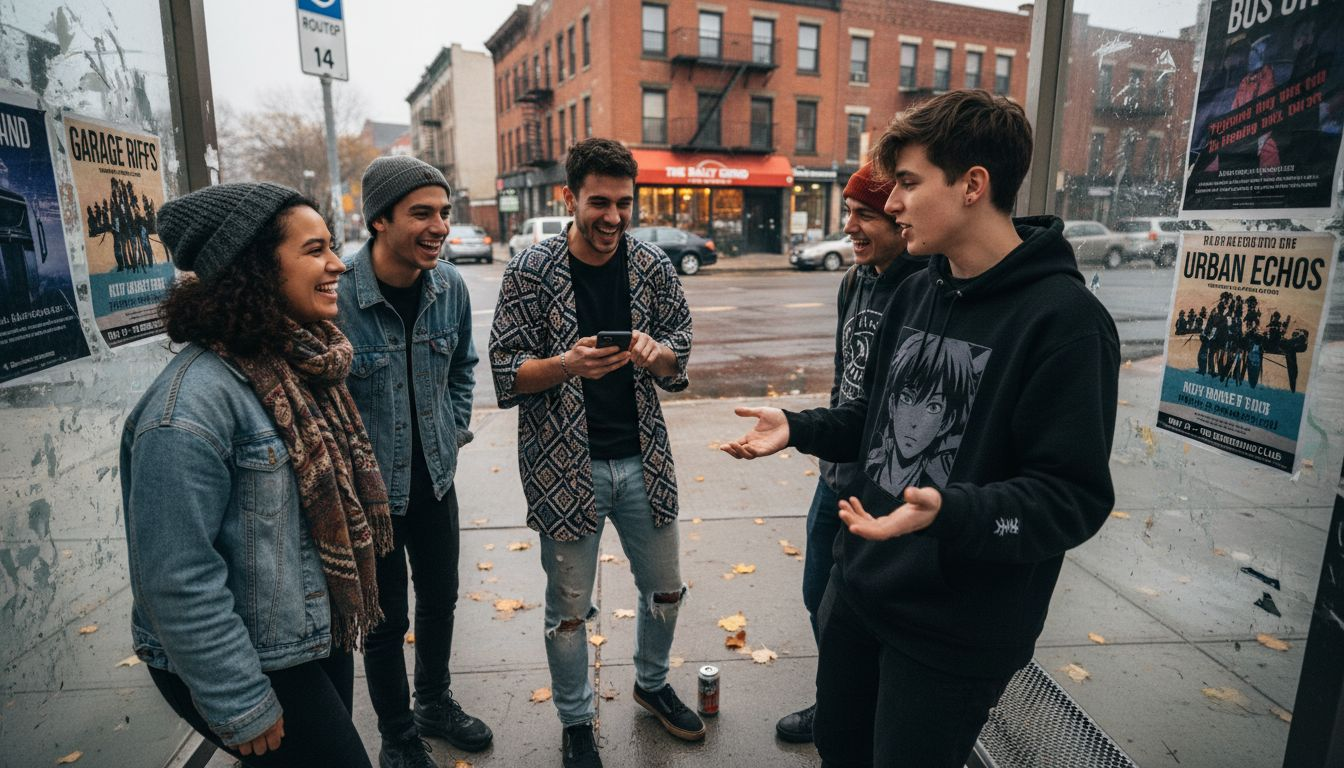
Anime streetwear blends traditional Japanese elements with contemporary street style in unexpected ways. You might see manga panels used as graphic elements on jackets. Character imagery combines with Japanese kanji and traditional patterns. Symbolic fashion accessories like chain wallets, patches, and pin badges reference anime narratives and create sub-communities within the broader streetwear culture. The diversity here is stunning. Someone obsessed with psychological thrillers gravitates toward darker palettes and complex symbolism. A fan of romantic comedies chooses pastel designs and softer imagery. Sports anime enthusiasts wear pieces celebrating teamwork and determination. This creates incredibly specific fashion tribes where what you wear tells a complete story about your interests, values, and aesthetic preferences.
Pro tip: Start by identifying which anime genres resonate with you, then seek out streetwear pieces that match that energy rather than buying any anime graphic you find appealing, ensuring your wardrobe stays cohesive and authentically represents your taste.
Here’s how the main anime streetwear styles differ:
| Style Type | Defining Features | Key Appeal | Where It’s Most Popular |
|---|---|---|---|
| Bold Graphics | Vibrant colors, large prints | Eye-catching and expressive | Urban youth and fan events |
| Minimalist | Subtle symbols, clean lines | Versatile for daily wear | Office and campus settings |
| Oversized | Baggy cuts, cosplay elements | Comfort and statement look | Fashion-forward cities |
| Symbolic | Narrative motifs, kanji text | Deep meaning, unique stories | Collectors and niche groups |
Key Brands, Influencers, and Collectibles
The anime streetwear ecosystem thrives on collaboration. Major players span the spectrum from streetwear specialists to luxury fashion houses. Hook-Ups built its reputation on bold anime collaborations featuring explicit character graphics and cult following aesthetics. The Hundreds merged streetwear credibility with anime appeal, attracting both longtime streetwear fans and anime enthusiasts. Then luxury fashion entered the conversation. Prada and other high-end designers recognized anime’s cultural currency and began incorporating anime-inspired designs into premium collections. This legitimized anime streetwear in spaces that traditionally ignored fan culture. When luxury brands invest in anime aesthetics, it signals that this isn’t temporary trend territory. The collaborations also expand accessibility. You can find anime streetwear at every price point now, from independent designers selling limited runs to major retailers stocking ongoing collections.
Influencers and content creators shape anime streetwear trends on Instagram, TikTok, and YouTube by showcasing styling inspiration, drop announcements, and outfit combinations. These creators function as tastemakers. A single Instagram post featuring an anime streetwear outfit worn perfectly can drive thousands of followers to hunt down that specific piece. TikTok accelerated this phenomenon. Short-form videos showing anime streetwear hauls, fit checks, and thrifting finds go viral regularly, exposing pieces to audiences who wouldn’t otherwise discover them. The influencer effect creates real scarcity. Limited edition drops announced on TikTok sell out in hours. Creators essentially gatekeep access through their platforms, which is why building relationships with the community matters if you’re serious about collecting.
Collectibles represent the investment side of anime streetwear. Limited edition apparel drops command premium resale prices. Exclusive collaboration merchandise becomes harder to find as years pass. Vintage pieces from early anime streetwear collaborations appreciate in value. Chain wallets featuring obscure anime characters, pins from defunct brands, and original graphic tees from the 1990s occupy collector status now. People actively hunt for these pieces on secondary markets like Grailed and Depop, sometimes paying 5 to 10 times the original retail price. The collectible mindset transforms casual fashion into curation. You’re not just buying clothes. You’re preserving pieces of pop culture history while building something that reflects your personality and taste. Some collectors focus on specific anime properties, while others pursue pieces from particular brands or eras. The financial upside exists too. Certain rare pieces genuinely increase in value.
Pro tip: Follow emerging anime streetwear brands and creators on social media before drops happen, and join community Discord servers where collectors share release schedules and resale opportunities to maximize your chances of securing limited pieces.
How Anime Streetwear Shapes Global Trends
Anime streetwear isn’t confined to Japan or niche fan communities anymore. It’s reshaping how millions of people dress globally. The shift happened because anime brings something traditional streetwear lacked: narrative-driven aesthetics that connect clothing to storytelling. When you wear an anime graphic, you’re not just displaying a character. You’re signaling which values matter to you, which stories resonate with your worldview, and which communities you belong to. Anime’s influence on global fashion trends stems from the cross-generational appeal of the Kawaii aesthetic, cosplay culture, and high profile collaborations between anime properties and luxury brands. A teenager in São Paulo wears the same anime hoodie design as someone in Seoul. A designer in Milan draws inspiration from anime color palettes. This creates a unified global visual language that transcends traditional geographic fashion boundaries. The cultural exchange happening through anime streetwear is unprecedented. Fashion brands now chase anime partnerships instead of the reverse.
Social media turbocharged this global spread. Street style photographers post outfit photos on Instagram featuring anime pieces. TikTok creators film hauls and fit checks. These images circulate globally within hours, influencing purchasing decisions across continents. Anime streetwear’s rise shapes youth dressing habits by making bold visuals and character narratives accessible everyday wear rather than costume territory. Teenagers in London integrate anime graphics into their regular outfits. College students in New York layer anime hoodies under blazers. Young professionals in Tokyo wear subtle anime accessories to work. This normalization happened remarkably fast. Five years ago, wearing anime publicly carried social risk. Now it signals taste, cultural awareness, and willingness to express individuality. The trend inverted the typical fashion hierarchy where high fashion trickles down to street level. Anime streetwear bubbled up from fan communities and forced established fashion to pay attention.
The identity expression component drives persistent growth. Subtle anime themes and high-end collaborations created legitimacy that expanded beyond traditional anime fans. Someone who’s never watched anime might wear a piece because the design resonates aesthetically, not from fandom obligation. This opened markets that previous anime fashion couldn’t penetrate. Luxury brands recognized that anime audiences span wealthy demographics globally. They invested in collaborations that elevated the aesthetic while maintaining core anime appeal. The result fostered new identity expressions through fashion. You can signal belonging to specific anime communities, express personality through character choices, or celebrate storytelling through wearable art. This multi-layered meaning-making transforms clothing from decoration into communication. As anime continues expanding globally through streaming and cultural exports, streetwear follows as a natural extension of that influence.
Pro tip: Identify which aspects of anime culture genuinely resonate with you personally, then curate pieces that reflect those interests rather than chasing every trend, ensuring your anime streetwear collection represents authentic self-expression rather than passive consumption.
Buying Tips and Authenticity Concerns
Counterfeit anime streetwear floods online markets. Real collectors know this reality well. You’ll find exact replicas of limited drops selling for fraction of retail prices on suspicious websites and marketplace platforms. The problem isn’t just financial loss. Counterfeit purchases fund criminal operations, undermine legitimate creators, and devalue authentic pieces in collector communities. Protecting authenticity in streetwear requires researching product origins and understanding brand histories before committing money. Start by buying from official brand websites and authorized retailers. Check if the retailer appears on the brand’s official list of stockists. Look for verification badges on social media accounts. Legitimate brands maintain consistent aesthetic standards, use quality materials, and provide detailed product information. Counterfeiters cut corners everywhere. The stitching appears sloppy. Graphics feel plasticky instead of having proper texture. Tags contain spelling errors. Sizing runs inconsistently. If a deal seems impossibly good compared to retail, it’s probably fake.
Authenticity markers differ by brand. Some anime streetwear brands include holographic labels or serial numbers on premium pieces. Others embed QR codes linking to verification pages. Research specific brands you’re interested in so you know exactly what authentic pieces should include. Resale marketplaces like Grailed require seller verification and have authentication services for expensive items. Use these services. Yes, they cost money. Yes, they’re worth it. When investing in rare pieces, authentication protects your investment and ensures you’re supporting legitimate creators. Provenance matters too. Can the seller document where they acquired the piece? Do they have photos showing the item over time? Legitimate collectors maintain detailed purchase histories. They photograph everything. They keep receipts. They can tell you the release date, drop information, and relevant context. Sketchy sellers offer minimal information and pressure you into quick decisions.
Below is a quick reference for collectors to spot real versus fake anime streetwear:
| Authentic Marker | Trusted Brands | Counterfeit Warning Signs |
|---|---|---|
| Holographic tags | Hook-Ups, The Hundreds | Misspellings, missing tags |
| Serial numbers | Luxury brands | Inconsistent sizing |
| QR code verification | Emerging designers | Poor print quality |
| Documented provenance | Vintage pieces | No purchase history |
Price research prevents overpaying significantly. Check completed sales on resale platforms to understand current market value for specific pieces. Look at multiple listings before deciding. Authenticated vintage pieces command premium prices for good reason. A rare 1990s anime streetwear piece might legitimately cost 10 times retail. A 2023 drop shouldn’t. Understand the difference between rarity and artificial inflation. Some sellers artificially inflate prices hoping someone makes a mistake. Others genuinely possess rare items deserving premium pricing. Platform reputation matters. Buy from established sellers with verified histories and positive feedback. Established sellers maintain reputations because they stay honest. Understanding brand legitimacy protects cultural significance of your collection. Every counterfeit purchase supports supply chains stealing from artists and creators. Supporting authentic sources supports people building culture.
Pro tip: Before purchasing any anime streetwear piece over 50 dollars, cross reference the seller’s listing against the brand’s official release information and check completed sales on Grailed to verify you’re paying fair market value for authentic merchandise.
Elevate Your Style with Authentic Anime Streetwear from Project Kitsune
Are you ready to express your identity with bold narrative-driven fashion that truly speaks to your love for anime culture? The challenge many face is finding anime streetwear that blends subtle symbolism, high-quality materials, and versatile designs perfect for daily life or special occasions. At Project Kitsune, we understand the importance of authentic pieces that capture the spirit of anime without compromising style or comfort. Whether you lean toward vibrant graphics or minimalist aesthetics, our curated CYBR collection offers the perfect balance inspired by the latest global trends in anime streetwear.
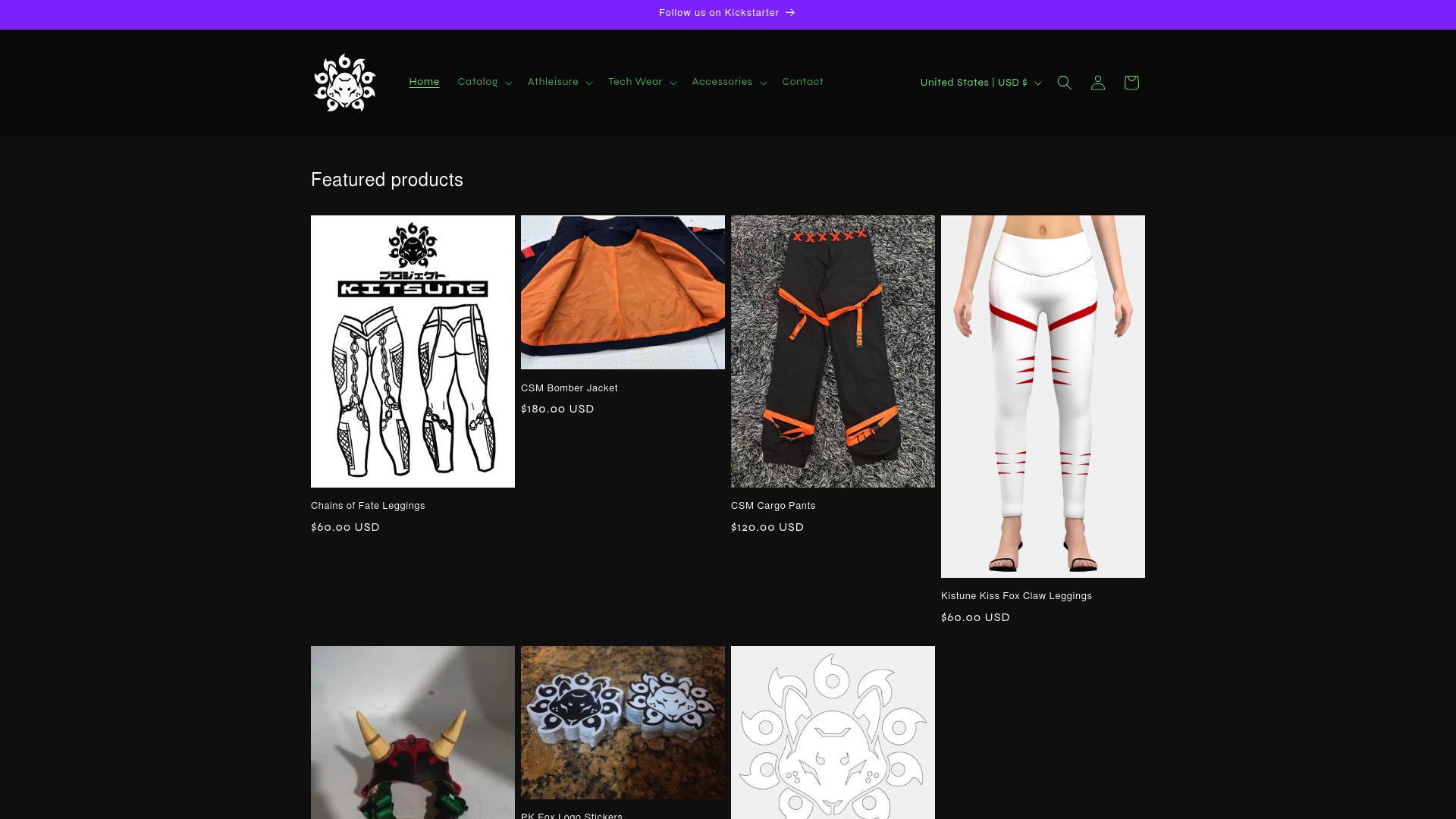
Discover how you can transition from fandom to fashion with confidence by exploring our full range on the Home page – ProjectKitsune. Each piece tells a story, lets you join a community, and helps you stand out with quality you can trust. Shop now at https://projectkitsune.shop and start building an anime streetwear wardrobe that reflects your authentic self and sets you apart today.
Frequently Asked Questions
What is anime streetwear?
Anime streetwear is a fashion style that merges clothing inspired by anime characters and aesthetics with the rebellious elements of street culture, characterized by vibrant graphics and unique silhouettes.
How has anime streetwear evolved over the years?
Anime streetwear has evolved from niche fan wear in the 1990s, influenced by skate culture and Japanese subcultures, to a mainstream fashion movement embraced by people across various age groups and styles worldwide.
What are the different styles within anime streetwear?
Anime streetwear includes various styles such as bold graphics featuring character prints, minimalist designs with subtle references, oversized silhouettes inspired by cosplay, and symbolic pieces that reflect deeper narrative themes from anime.
Why is authenticity important in anime streetwear?
Authenticity is crucial in anime streetwear as counterfeit items not only lead to financial loss for buyers but also undermine creators and devalue the significance of true collectibles within the community.