

Setting Up a Pop Culture Wardrobe: Step-by-Step Guide
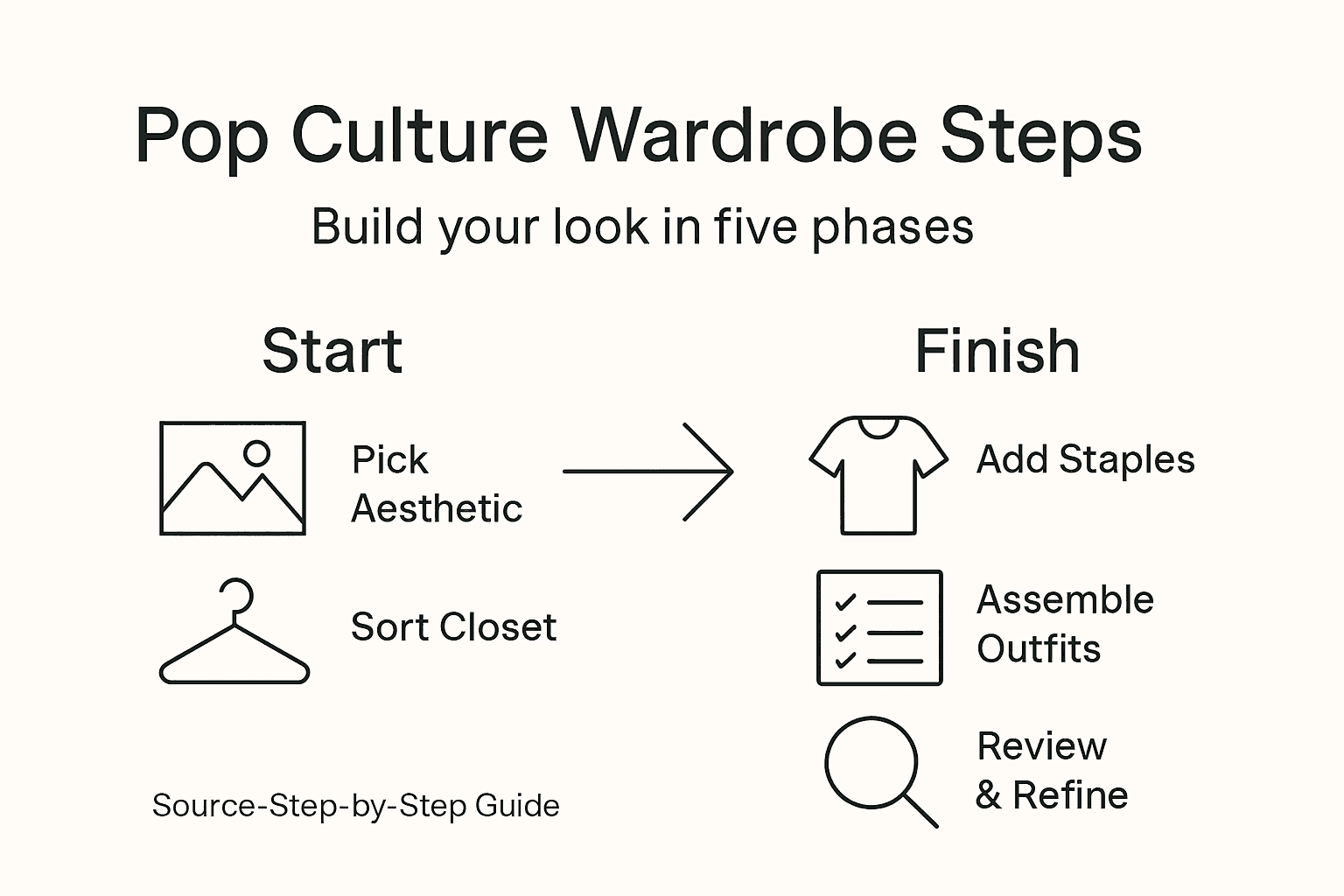
Channeling your favorite anime and gaming vibes into your everyday style can feel challenging when so many trends compete for attention online. Whether you’re drawn to the bold looks in Tokyo streetwear or want to show love for legendary franchises, knowing your authentic fandom aesthetic matters. Since mass media and social influences shape individual style preferences, learning to define and organize your pop culture wardrobe puts you in control of your self-expression and keeps your collection intentional.
Table of Contents
- Step 1: Define Your Pop Culture Style Preferences
- Step 2: Assess and Organize Your Current Wardrobe
- Step 3: Select Key Pop Culture Apparel and Accessories
- Step 4: Build Signature Outfits for Any Occasion
- Step 5: Review and Refine Your Pop Culture Wardrobe
Quick Summary
| Key Point | Explanation |
|---|---|
| 1. Define Your Style Preferences | Identify franchises and aesthetics that resonate with you to avoid unintentional purchases that don’t match your personal style. |
| 2. Organize Your Current Wardrobe | Assess your existing pieces critically to determine what aligns with your defined aesthetic and to avoid buying duplicates. |
| 3. Choose Quality Key Pieces | Focus on anchor items that reflect your pop culture interests and allow for multiple outfit combinations rather than accumulating random items. |
| 4. Build Signature Outfits | Create reliable outfit combinations for different occasions by mixing and matching essential pieces and accessories that express your style. |
| 5. Regularly Review Your Wardrobe | Conduct seasonal audits of your closet to ensure alignment with your current style, removing items that no longer resonate with you. |
Step 1: Define Your Pop Culture Style Preferences
This step is all about understanding what actually resonates with you in pop culture fashion and aesthetic. Before you start hunting for pieces or building your wardrobe, you need to get crystal clear on your personal preferences. Your style choices don’t develop in a vacuum; they’re shaped by what you consume, who influences you, and the communities you’re part of. Taking time here prevents you from buying random items that look cool online but don’t fit your actual aesthetic or personality.
Start by identifying the specific franchises, characters, and aesthetics that genuinely excite you. Are you drawn to the sleek cyberpunk vibes from gaming franchises like Cyberpunk 2077 or Ghost in the Shell? Maybe the cozy magical girl aesthetic from anime series gets your heart racing. Or perhaps you’re into the gritty, dark energy of titles like Demon Slayer or Attack on Titan. Look at the media you spend time with and the characters you find yourself constantly thinking about. Write these down. Don’t worry about being “too niche” or mixing genres; your authentic preferences matter way more than fitting into a neat category. Think about color palettes too. If you love warm, sunset tones from Studio Ghibli films, that’s valuable information. If you’re obsessed with the cool blues and silvers of futuristic aesthetics, write that down as well. Research shows that mass media and social influences shape individual style preferences, meaning your favorite shows, games, and online communities have already been guiding your taste. This awareness helps you make intentional choices rather than accidental ones.
Next, pay attention to the practical elements of style that appeal to you within these preferences. Are you imagining yourself in oversized hoodies and cargo pants? Sleek tactical gear? Flowing streetwear with anime prints? Vintage band tee aesthetics mixed with modern gaming references? Look at fan communities online, especially on platforms where people share outfit inspiration tied to their favorite franchises. Scroll through Pinterest boards, TikTok creators who dress around specific fandoms, Instagram accounts dedicated to pop culture fashion. Notice which silhouettes and styling choices make you stop and think, “Yeah, I want to wear that.” Consider your lifestyle too. If you’re in class most days, you might lean toward comfortable hoodies and stylish sneakers that work in academic settings. If you attend conventions and fan events regularly, you might be ready for bolder pieces or even full character-inspired outfits. The intersection of what you love aesthetically and what works for your actual daily life is where your personal pop culture style lives.
Pro tip: Create a Pinterest board, save TikTok videos, or take screenshots of outfits that make you think “that’s so me,” then review them after a week to identify the actual patterns in what appeals to you rather than what’s trending.
Here’s a summary comparing pop culture style aesthetics you might consider:
| Aesthetic Type | Key Features | Typical Colors | Ideal Base Pieces |
|---|---|---|---|
| Cyberpunk | Futuristic, tactical detail | Black, neon, metallic | Tactical jacket, cargo pants |
| Magical Girl | Whimsical, pastel elements | Soft pinks, lilac, yellow | Pleated skirt, pastel hoodie |
| Dark Anime | Gritty, edgy, layered look | Black, red, dark neutrals | Graphic tee, bomber jacket |
| Retro Gaming | Nostalgic, pixel art styles | Primary colors, white | Vintage tee, relaxed jeans |
Step 2: Assess and Organize Your Current Wardrobe
Now that you know what you actually want your style to look like, it’s time to evaluate what you already own. This step involves taking an honest inventory of your current pieces and figuring out which ones align with your newly defined pop culture aesthetic. You might discover hidden gems already sitting in your closet, or you might realize you have a lot of pieces that don’t serve your new direction. Either way, this clarity prevents you from buying duplicates and helps you build strategically from what you have.
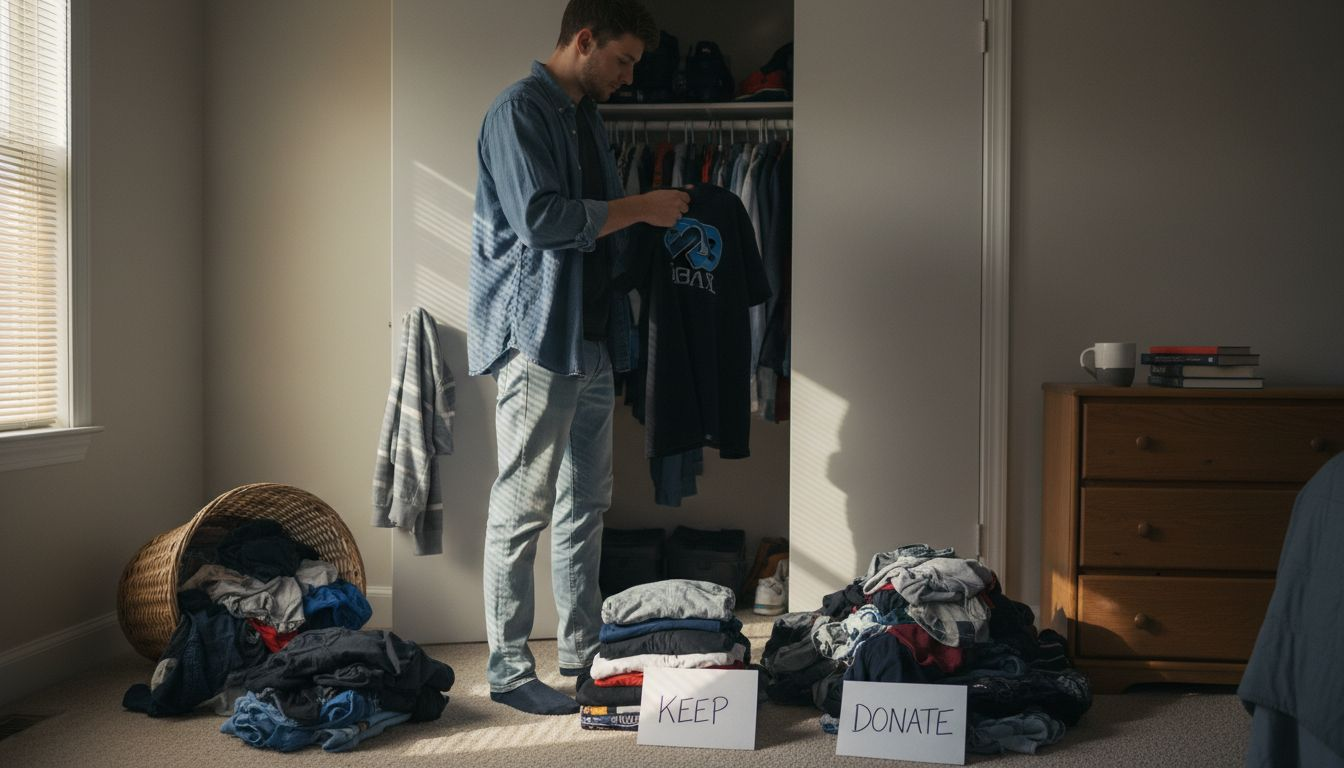
Start by pulling everything out of your closet, drawers, and storage. Yes, everything. This sounds extreme, but it’s the fastest way to see exactly what you own and assess it fairly. As you go through each item, ask yourself three critical questions: Does this fit my body right now? Have I actually worn this in the past few months? Does this piece align with the pop culture aesthetic I’m building? Items that tick all three boxes go into your keep pile. Pieces that don’t fit properly, haven’t seen daylight in over a year, or clash completely with your new direction belong in a donate or sell pile. You might have a great gaming hoodie that fits perfectly and matches your vibe, but you also might find old band tees or graphic pieces that don’t resonate anymore. That’s okay. Sorting clothes strategically helps optimize your wardrobe by removing items that don’t serve you. As you sort, create a third pile too: items that need repair or alterations. A beloved anime shirt with a small tear or a jacket with a broken zipper can often be saved with minimal effort.
Once you’ve sorted, organize your kept items in a way that actually makes sense for how you live. Group clothes by type like hoodies, pants, graphic tees, and jackets. You might arrange them by color within those categories, which makes putting outfits together faster. Another approach is organizing by occasion or vibe. Keep your convention outfit pieces together. Group your everyday casual pop culture pieces separately. Store items you wear constantly at eye level and easy to reach, while seasonal or occasional pieces can go higher up or in less accessible spots. Take photos of the items you’re keeping so you have a visual reference when shopping later. This prevents buying something that looks fresh online but duplicates something already hiding in your wardrobe. As you organize, measure your storage space too, so you know exactly how much room you have for new pieces as your collection grows.
Pro tip: Take clear photos of each organized section and save them to your phone so you can reference your current inventory when shopping for new pieces, which prevents impulse buying and ensures everything coordinates with what you already own.
Step 3: Select Key Pop Culture Apparel and Accessories
This is where your wardrobe actually starts coming together with intention. You’ve defined your style preferences and assessed what you have, so now you’re ready to strategically add pieces that represent your fandom and personal aesthetic. The goal here is to choose quality foundational items and signature pieces that work together, rather than accumulating random merchandise. Smart selections mean your pieces coordinate with what you already own and create multiple outfit combinations without needing endless items.
Start by identifying anchor pieces within your chosen pop culture aesthetic. These are the items that immediately signal what you’re about. If you love cyberpunk aesthetics, maybe that’s a high quality black tactical jacket or cargo pants with functional pockets and straps. For anime fans obsessed with magical girl energy, it could be a pastel colored hoodie or pleated skirt in soft fabrics. For gaming culture enthusiasts, think sleek hoodies with minimal logos, comfortable joggers, or statement tees featuring your favorite franchises. Pop culture significantly influences fashion choices through iconic symbols and cultural movements, so selecting pieces that embody these symbols authentically is key. Look for items that genuinely excite you rather than pieces that simply exist within the pop culture space. A well made hoodie from Project Kitsune that resonates with your aesthetic beats five cheap graphic tees that feel off. Quality materials, proper fit, and construction that lasts matter more than quantity. Consider the versatility of each piece too. Can you wear this tactical jacket over multiple outfits? Does this tee work with both casual and slightly dressier looks? Pieces that function across different styling contexts maximize your outfit options.
Next, think about statement accessories that complete your pop culture wardrobe without requiring you to buy tons of base pieces. This is where you can get creative and have fun with smaller items. Enamel pins representing your favorite games or anime series, chain keychains, unique socks, custom phone accessories, or bandanas can completely transform basic outfits. Bags are another strategic choice. A crossbody bag or backpack with interesting details or themed design becomes functional art that ties your whole look together. Hair accessories like clips or scrunchies in colors matching your chosen aesthetic add personality. Belts with interesting buckles, rings, or watches can subtly reinforce your style without overwhelming an outfit. Accessories let you express different moods within your core pop culture style. You might swap out keychains or pins depending on your vibe that day, but your base pieces stay consistent. This approach means you can build a cohesive looking wardrobe without excessive spending. You’re layering your fandom expression through pieces of different sizes and price points, which feels more authentic than trying to dress head to toe in one franchise anyway.
Pro tip: Invest your budget first in neutral anchor pieces that fit your aesthetic and lifestyle, then add themed accessories and statement items gradually, which prevents overspending while still building an instantly recognizable pop culture wardrobe.
Step 4: Build Signature Outfits for Any Occasion
You’ve selected your pieces, so now it’s time to strategically combine them into complete outfits that work across different situations. Building signature outfits means creating reliable combinations that express your pop culture style while adapting to whatever you’re doing that day. Whether you’re heading to class, meeting friends at a cafe, attending a convention, or just living your normal life, you want outfits that feel authentically you without requiring constant decision making.
Start by thinking about the different contexts in your life and what your outfits need to accomplish in each. A casual school day outfit looks different from a gaming tournament or anime convention appearance, but both should feel like they belong to the same person with the same aesthetic. Your everyday outfit might be comfortable joggers from Project Kitsune paired with a fitted graphic tee, a favorite hoodie, and minimal accessories for functionality. This works for classes, errands, hanging out. For a convention or fan meetup, you might layer more intentionally, add statement accessories like pins or a themed bag, and choose pieces that feel slightly more put together while staying completely true to your vibe. For a casual hangout with friends who share your interests, maybe you go bolder with colors or patterns. The core pieces stay the same, but you adjust proportions, layering, and accessories to match the occasion. Building signature outfits involves mixing and matching staples with adjustable accessories for different settings, which means you’re creating a system rather than random combinations. Think about which pieces work together. Does your favorite hoodie coordinate with three different pants? Can those cargo pants pair with multiple tops? Which accessories elevate a basic look versus make it feel overdone? Map out these combinations so you actually know what works before you get dressed.
Next, use the power of intentional planning to remove morning stress. Take photos of complete outfits you’ve put together and save them organized by occasion or season. This gives you a visual library you can reference when getting dressed. You might take a picture of your convention outfit all styled and ready, then do the same for your everyday casual look. When you’re rushed or unsure, you have proven combinations that work. This also helps you notice gaps. Maybe you realize you need a lightweight layer, or that you want one more pair of pants in a specific color. Planning reveals what would actually serve your wardrobe versus what’s just an impulse purchase. Some people use their phone notes app, Pinterest boards, or actual outfit planner apps to organize this. The method matters less than having a system that you’ll actually use. You’re essentially creating a personal styling guide that makes getting dressed faster and more confident. Every time you wear an outfit combination that hits right, record it. Every time you feel great in something, figure out why and replicate that feeling intentionally.
Pro tip: Photograph and organize three complete outfits for your most common activities, then swap one element at a time to create variations so you have six different combinations from minimal pieces.
Step 5: Review and Refine Your Pop Culture Wardrobe
Your wardrobe isn’t static. As your tastes evolve, as you discover new franchises, and as your lifestyle changes, your pop culture style should shift with you. This step is about building a sustainable system where you regularly assess what’s working, what isn’t, and what needs to happen next. Regular review prevents your closet from becoming cluttered with pieces that no longer feel like you and keeps your style authentic to who you are right now, not who you were six months ago.
Start by setting a review schedule, maybe every three to four months. Pick a time when you have an hour or so to really think about your wardrobe without rushing. Try on pieces you’ve been wearing consistently and notice which combinations you reach for repeatedly. Those are your winners. Notice pieces that sit untouched, ones that sounded great in theory but don’t actually work for your life or your current style. Be honest about fit too. If something doesn’t make you feel confident anymore, it deserves to go, even if it cost money. Reviewing and refining your wardrobe maintains alignment with your evolving tastes and personal growth, so this isn’t about shame or waste. It’s about respecting yourself enough to wear things that genuinely work. Ask yourself specific questions during your review. Are there gaps in your wardrobe that show up repeatedly when you’re trying to get dressed? Do you notice you need another pair of pants in a certain color or style? Are there pieces that technically fit but don’t align with your current pop culture aesthetic anymore because your interests have shifted? Did you discover a new anime or gaming franchise that excites you and that you want your wardrobe to reflect? Write down these observations. They guide your next purchases and prevent you from shopping randomly.
Next, take action based on what you’ve learned. If pieces aren’t working, consider whether they can be altered, restyled, or whether they genuinely need to leave your wardrobe. Some items might work with different accessories or layering once you think creatively. Others might be ready to donate or sell to make room for pieces that actually serve you. This isn’t about constantly buying new things. Rebranding your aesthetic involves identifying pieces that no longer align with your identity and integrating new styles intentionally, which means thoughtful curation rather than excess consumption. If you noticed gaps, prioritize filling the most important ones first. That missing neutral layer probably matters more than the fifth graphic tee in a similar style. Use Project Kitsune and similar retailers strategically to fill these gaps with pieces that genuinely enhance your wardrobe rather than just adding volume. Keep your outfit photos updated. Remove combinations that no longer feel right and add new ones that reflect where your style is now. Your personal styling guide should evolve alongside you. This process keeps your wardrobe feeling fresh and intentional without requiring a complete overhaul. You’re refining a living system rather than starting from scratch repeatedly.
Pro tip: Set phone reminders every four months to review your wardrobe and take new outfit photos, keeping your personal styling guide current so you avoid repurchasing similar items or keeping pieces that no longer represent you.
Compare how wardrobe review and planning habits create long-term benefits:
| Habit | Purpose | Frequency | Key Outcome |
|---|---|---|---|
| Outfit Photo Logging | Track combinations that work | Ongoing/as needed | Visual dressing reference |
| Quarterly Wardrobe Audit | Remove misaligned items, refine | Every 3–4 months | Closet stays updated |
| Shopping With Inventory | Avoid duplicates, fill gaps | Every buy | More intentional purchases |
Build Your Pop Culture Wardrobe With Intention and Style
Struggling to turn your pop culture passion into a cohesive wardrobe that truly represents your favorite franchises and aesthetics? You are not alone. Many fans face the challenge of finding quality pieces that fit their lifestyle while expressing their unique fandom. The guide on setting up a pop culture wardrobe highlights crucial steps like defining your style preferences, organizing your current closet, and selecting anchor apparel and accessories that create meaningful, versatile outfits. At Project Kitsune.shop, we understand these needs and offer curated collections designed to help you build that intentional wardrobe with ease and confidence.
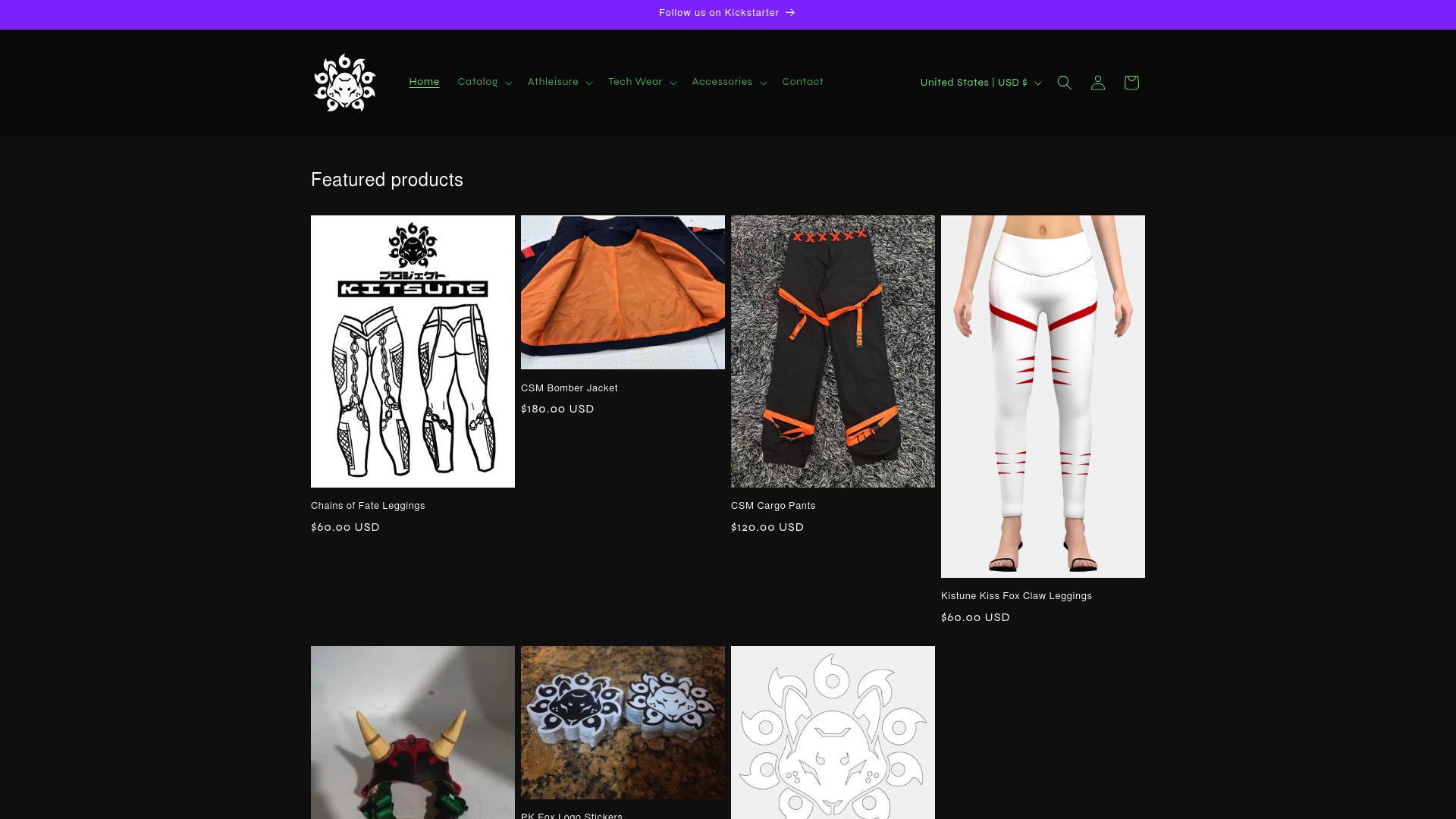
Explore our CYBR – ProjectKitsune collection if you are drawn to futuristic and tactical styles that fit perfectly into cyberpunk aesthetics. For versatile everyday and statement pieces, check out our Men’s/Unisex – ProjectKitsune category. Every item is designed with fans in mind to connect your passion with quality and style. Visit our Home page – ProjectKitsune now and take the next step toward a curated pop culture wardrobe that works with your life. Start building your signature look today and avoid buying randomly by choosing pieces made to fit your fandom and everyday needs.
Frequently Asked Questions
How can I define my pop culture style preferences?
To define your pop culture style preferences, reflect on the franchises, characters, and aesthetics that genuinely excite you. Create a list of your favorite influences, taking note of color palettes and specific outfits that resonate with you.
What steps should I take to assess and organize my current wardrobe?
Start by pulling everything out of your closet to see what you own. Evaluate each item by asking if it fits, if you’ve worn it recently, and if it aligns with your defined pop culture aesthetic, separating items into keep, donate, or repair piles.
How do I select key pop culture apparel and accessories?
Identifying anchor pieces that represent your chosen aesthetic is essential. Choose quality items that excite you and can be paired with other pieces in your wardrobe, adding statement accessories that express your fandom.
What are the best practices for building signature outfits?
To build signature outfits, think about your daily activities and create reliable combinations that work across different situations. Photograph complete outfits, so you have a visual reference when getting dressed and can easily mix and match your pieces.
How often should I review and refine my pop culture wardrobe?
Set a review schedule for every three to four months to assess what’s working in your wardrobe. During each review, try on pieces, remove those that no longer fit your style, and note gaps where you need new items to enhance your pop culture wardrobe.