

Microtrends in Fashion – How They Shape Pop Culture Merch
Scrolling through TikTok only to spot the same anime hoodie on influencers from Brazil to Canada feels like watching trends move at lightning speed. For anime and gaming fans, this isn’t just a coincidence—it’s the result of microtrends, those fast-rising and fleeting obsessions that shape what shows up in your feed and your closet. Understanding these hyper-specific fashion fads reveals why some pop culture merch explodes overnight, then disappears before you even get your hands on it.
Table of Contents
- Defining Microtrends In Modern Fashion
- Key Drivers Of Microtrend Popularity
- Microtrends And Anime/Gaming Merchandise
- Fast Fashion, Social Media, And Microtrend Cycles
- Risks Of Rapid Microtrend Adoption
Key Takeaways
| Point | Details |
|---|---|
| Understanding Microtrends | Microtrends are rapid fashion trends often driven by social media, lasting only weeks instead of months or years. |
| Consumer Awareness | Be mindful of the difference between genuine interest and impulse purchases influenced by trends. |
| Environmental Impact | Rapid adoption of microtrends contributes to overconsumption and significant waste in the fashion industry. |
| Collecting Intentionally | Focus on timeless items that reflect your true interests rather than chasing fleeting styles. |
Defining Microtrends in Modern Fashion
Microtrends are niche fashion movements that rise, peak, and fade in weeks rather than seasons. Unlike the sweeping fashion cycles of past decades, microtrends are rapid, superficial trends driven almost entirely by social media platforms like TikTok, Instagram, and YouTube. What makes them different from traditional fashion trends is their sheer speed and hyper-specificity. A microtrend might center on a single garment style, color combination, or aesthetic detail that explodes across the internet, gets adopted by thousands of creators, and then completely disappears from the cultural conversation within weeks. You’ve probably experienced this if you’ve seen a specific cargo pant style, oversized jacket, or chain accessory suddenly everywhere online, only to vanish just as quickly.
The mechanics of microtrends are fundamentally tied to how social media algorithms work. When a creator posts an outfit using a particular piece and it gains traction, the algorithm amplifies it. Other creators see the engagement, remix the concept, and suddenly what started as one person’s styling choice becomes a viral moment. This creates what feels like genuine mass adoption, but the reality is much more artificial. These trends often last less than a season and gain traction via social media platforms, meaning what’s relevant in January might be considered cringe by March. For anime and gaming enthusiasts, this phenomenon directly impacts the merchandise landscape. A microtrend around a specific anime aesthetic or gaming character design can drive massive demand for limited apparel and accessories, only for that same product to become harder to move once the trend shifts.
What separates microtrends from the subcultures your parents probably followed is the absence of underlying values or authentic community. Classic fashion subcultures like grunge, punk, or emo emerged from real communities with distinct belief systems. They evolved organically over years and meant something to people who adopted them. Microtrends, by contrast, are superficial and consumptive by design. They exist purely to be consumed and content-ified. This distinction matters because it explains why microtrends fuel such aggressive production cycles and why brands constantly chase them. The moment something trends, manufacturers start producing it at scale, flooding the market with variations. When the trend dies, inventory becomes obsolete almost overnight. This acceleration of the fashion cycle has real environmental consequences, contributing to overconsumption and waste on an unprecedented scale.
For you as a consumer of pop culture merchandise, understanding microtrends means recognizing when a purchase is driven by genuine interest versus social pressure. The anime hoodies or gaming-themed apparel you’re considering buying might be experiencing peak microtrend saturation right now, which means it’ll feel dated faster than items rooted in more timeless aesthetics. Smart collectors focus on pieces that resonate with their actual preferences rather than chasing what’s algorithmically amplified this week.
Here’s how traditional fashion trends differ from microtrends:
| Aspect | Traditional Trends | Microtrends |
|---|---|---|
| Duration | Months to years | Weeks or days |
| Community Involvement | Emerge from real subcultures | Driven by digital communities |
| Drivers | Cultural movements, designers | Algorithms, influencers |
| Impact on Products | Limited turnover, classic items | Rapid turnover, fleeting styles |
Pro tip: Before purchasing trend-driven merchandise, ask yourself if you’d still wear or display the item in three months when the algorithm moves on to something new; if the answer is no, you’re probably caught in a microtrend cycle rather than making a purchase you’ll actually value.
Key Drivers of Microtrend Popularity
Microtrends don’t emerge randomly. They’re the result of a specific combination of forces working together to amplify certain styles at exactly the right moment. Understanding what actually drives these trends requires looking at the ecosystem that makes them possible: social media algorithms, fast fashion infrastructure, and human psychology. Social media hypervisibility and the constant hunger for newness create the perfect conditions for trends to explode. When a creator posts content featuring a specific piece of clothing or aesthetic, the algorithm decides whether millions see it or just a handful of people. This isn’t about merit or authenticity anymore. It’s about engagement metrics, watch time, and what keeps users scrolling. A single video can reach 10 million people overnight, exposing them to a style they’d never encountered before. For context, a fashion trend that took six months to spread in the 1990s can now reach critical mass in 48 hours.
The second major driver is how fast fashion has optimized its supply chain to respond to these trends instantly. Key drivers include the interplay between globalization, digital connectivity, and consumer behavior, but what this really means in practical terms is that brands can now produce and ship trend-responsive merchandise at scale within days. When a microtrend emerges, fast fashion retailers have data analysts monitoring social media conversations in real-time. They identify what’s trending, green-light production, manufacture thousands of units, and have them available for purchase before the trend peaks. This creates artificial scarcity and urgency. You see something trending, you want it now because it might be gone tomorrow. The moment you buy it, the algorithm shows you other people buying it, which makes it feel even more essential. This feedback loop accelerates everything. What’s particularly insidious for anime and gaming merchandise is that limited edition drops tied to microtrends create the same psychology. A limited jacket design featuring a popular character drops for 48 hours, and suddenly everyone feels like they need to purchase before stock runs out.
Influencer culture amplifies all of this exponentially. Influencers have financial incentives to constantly promote new products and aesthetics. They need fresh content to stay relevant, so they’re always hunting for the next thing to feature. When multiple influencers independently discover the same trend around the same time, it creates the illusion of organic grassroots adoption when it’s actually coordinated by algorithms and marketing. Consumer psychology around status and identity expression plays directly into this. Humans use fashion to signal group membership and identity. When you see someone you respect or relate to wearing something, you want to wear it too. On social media, this happens at massive scale and velocity. You’re not just influenced by friends anymore; you’re influenced by thousands of content creators simultaneously. The psychological weight of seeing the same style across your entire feed creates intense pressure to adopt it.
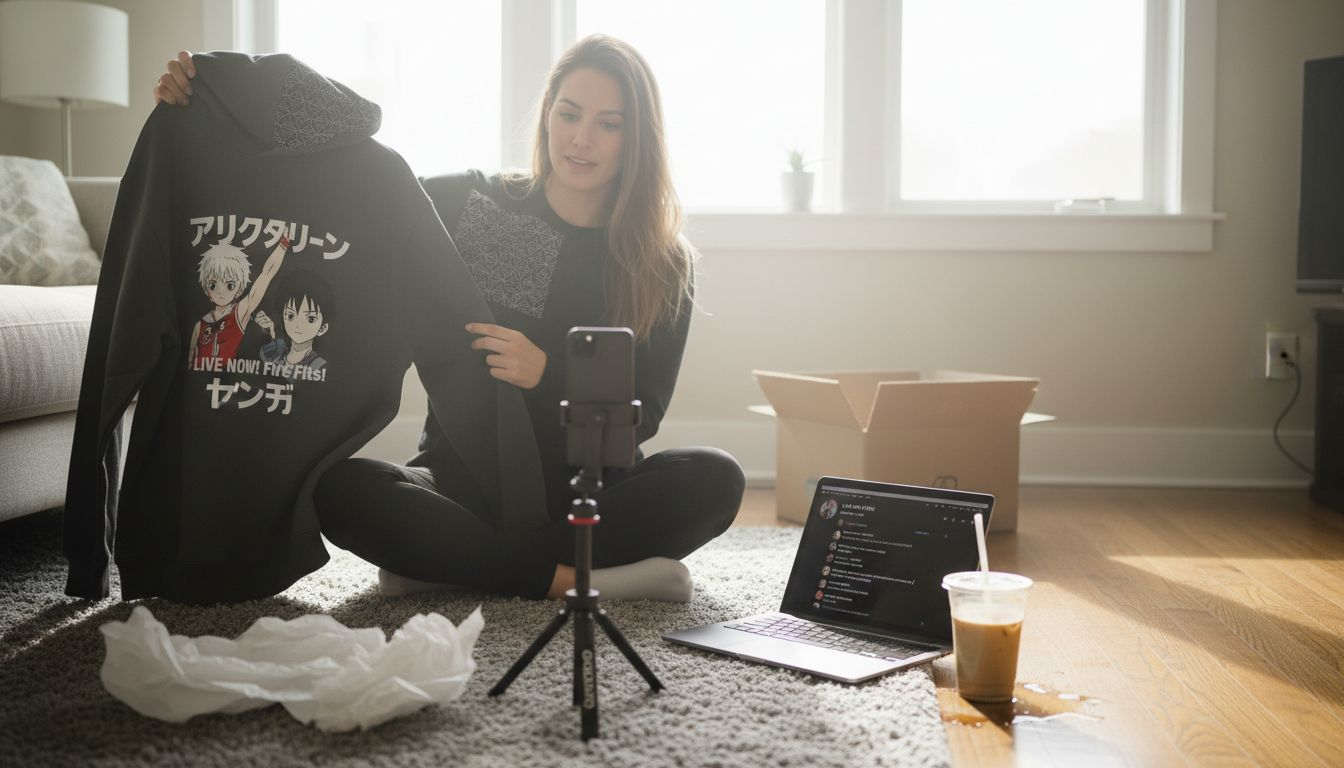
The final piece is how accessible and frictionless online shopping has become. Impulse buying behavior is now normalized and encouraged. You see something trending, you click a link, and the item arrives at your door within days. There’s no deliberation period, no time for the trend to fade before your purchase arrives. By the time you receive it, you’re already part of the trend cycle. The combination of these forces creates what feels like organic, authentic fashion evolution, but it’s actually a carefully orchestrated system designed to maximize consumption and profit from constant change.
Pro tip: Set a 48-hour rule before purchasing any trend-driven merchandise: if it’s still appealing and relevant to you after two days of reflection, then it’s likely a genuine interest rather than impulse buying driven by algorithmic amplification.
Microtrends and Anime/Gaming Merchandise
The anime and gaming communities have become ground zero for microtrend cycles. Unlike mainstream fashion, where trends might revolve around a particular silhouette or color palette, microtrends in this space are deeply tied to character designs, aesthetic categories, and fandom moments. The fusion of fashion trends with niche interests such as anime and gaming has led to the rise of microtrends within pop culture merchandise, where limited-edition apparel and themed merchandise become vehicles for expressing identity and cultural belonging. When a new anime season drops, fans don’t just watch the shows. They immediately seek merchandise that lets them signal which series they’re into and which characters resonate with them. A microtrend might emerge around a specific character’s aesthetic from a newly released anime, leading to sudden demand for jackets, hoodies, and accessories that capture that vibe. Brands and independent sellers who move fast enough to produce these items can sell out within days. Those who move too slowly find themselves with inventory that feels dated by the time it arrives in warehouses.
What makes anime and gaming microtrends particularly volatile is how tightly they’re connected to community conversations happening in real-time. Digital subcultures around anime and gaming influence microtrends through their aesthetic categories, which are rapidly circulated across social media, creating merchandise cycles that can accelerate faster than traditional fashion. A character might trend on Twitter because of a dramatic episode moment. Within hours, fan artists create fan art. Within a day, merchandise designers are conceptualizing products based on that aesthetic. Within a week, those products are available for purchase. The entire cycle happens so quickly that casual fans often miss the peak entirely, only discovering the merchandise after the microtrend has already shifted to something else. For dedicated collectors, this creates an interesting dynamic: you have to be actively monitoring communities, following creators, and understanding fandom conversations just to know what’s about to trend and position yourself to purchase before items sell out.
What’s particularly interesting is how microtrends in anime and gaming merchandise operate differently than general fashion microtrends. There’s an inherent expiration date built into the trend itself. A limited-edition hoodie celebrating a character from a series that finished airing will naturally lose relevance once that series is out of the cultural conversation. A skin design from a popular game becomes outdated once that game’s meta shifts. This creates a specific type of collector mentality where scarcity and timing become everything. The merchandise isn’t just trending because an algorithm decided to amplify it. It’s trending because real fans with genuine interest in these properties are actively seeking it. This makes anime and gaming microtrends feel more authentic than some mainstream fashion microtrends, but that authenticity is still being heavily influenced by the same forces: influencer promotion, algorithmic amplification, and artificial scarcity through limited drops. The psychological drivers are identical. You want something because you see people you respect wearing or displaying it. You want it now because there’s only a limited quantity available. You want to signal to others that you’re part of a specific community by owning that item.
The practical reality for collectors is that anime and gaming microtrends create both opportunities and pitfalls. The opportunity is that if you’re genuinely interested in a particular aesthetic or character, you have more options and variety than ever before. Merchandise is being produced at an unprecedented rate. The pitfall is that this same acceleration means most merchandise you purchase will feel dated within months. An anime hoodie that felt essential in January becomes just another piece in your closet by April when new shows drop and new microtrends emerge. Smart collectors recognize this and purchase selectively, focusing on pieces that either have timeless appeal within their favorite franchises or that they genuinely love regardless of whether they’re trending.
Pro tip: Follow multiple anime and gaming communities on different platforms rather than relying on just one source of information; this gives you earlier visibility into emerging microtrends and lets you identify which ones have genuine staying power within the community versus which ones are being artificially amplified.
Fast Fashion, Social Media, and Microtrend Cycles
The relationship between fast fashion, social media, and microtrends is not accidental. It’s a deliberately engineered system where each component feeds the others in an accelerating cycle. Social media platforms like TikTok play a central role in surfacing new microtrends at a rapid pace, creating constant demand that fast fashion brands are specifically designed to fulfill. When a trend emerges on social media, it doesn’t gradually build momentum over weeks. It explodes into visibility within 24 to 72 hours. During that window, brands have already identified the trend through social listening tools and data analytics. Design teams sketch concepts. Manufacturers in factories with established relationships receive urgent orders. Suppliers source materials. Production lines shift. Within days, the trend-responsive merchandise is manufactured and shipped to distribution centers. This speed is only possible because fast fashion companies have built their entire supply chain around responsiveness rather than sustainability or quality. They can move fast because they’re not using premium materials, they’re not doing quality control that takes time, and they’re not investing in durability. The goal is to get products to market before the trend peaks and then move on to the next one.
What makes this cycle so dangerous is the feedback loop it creates. Microtrends have a symbiotic relationship with fast fashion and social media, creating rapid cycles of trend emergence and decline, pushing the industry model toward ultra-fast turnover. When thousands of cheap versions of a trending item suddenly become available for purchase, it creates the illusion that the trend is even bigger and more essential than it actually is. You see the item everywhere because brands flooded the market with it. That omnipresence makes you feel like you need to buy it before it’s gone. You buy it, the algorithm sees the purchase data, and it recommends the item to more people. More people buy it. The trend appears even more dominant. When the trend eventually dies, all those cheap products end up in landfills. For anime and gaming merchandise specifically, this cycle is even more problematic. Limited-edition drops tied to microtrends are manufactured at massive scale, anticipating demand that sometimes never materializes. You end up with warehouses full of character merchandise from an anime series that nobody’s talking about anymore. The environmental cost of producing all that merchandise only to have it become obsolete within months is staggering, but it’s baked into the business model.
The speed of these cycles has fundamentally changed how consumers approach purchasing decisions. In the past, you might see a fashion trend emerge, think about it for a few weeks, and then decide whether to invest in it. Now, the trend is already in its decline phase by the time you’ve finished deliberating. This creates urgency that bypasses rational decision-making. You don’t think about whether you actually like something or whether it matches your aesthetic. You think about whether you can get it before it sells out. This is exactly what the system is designed to encourage. Fast fashion companies and social media platforms profit from impulse purchases and high turnover. They want you constantly buying and constantly consuming. The psychological pressure of artificial scarcity and the fear of missing out drives purchases you might not have made if you had time to think about them. For collectors of anime and gaming merchandise, this psychological dynamic is particularly intense because limited drops create real scarcity. There’s actually a finite number of items available, which makes the fear of missing out legitimate rather than manufactured.
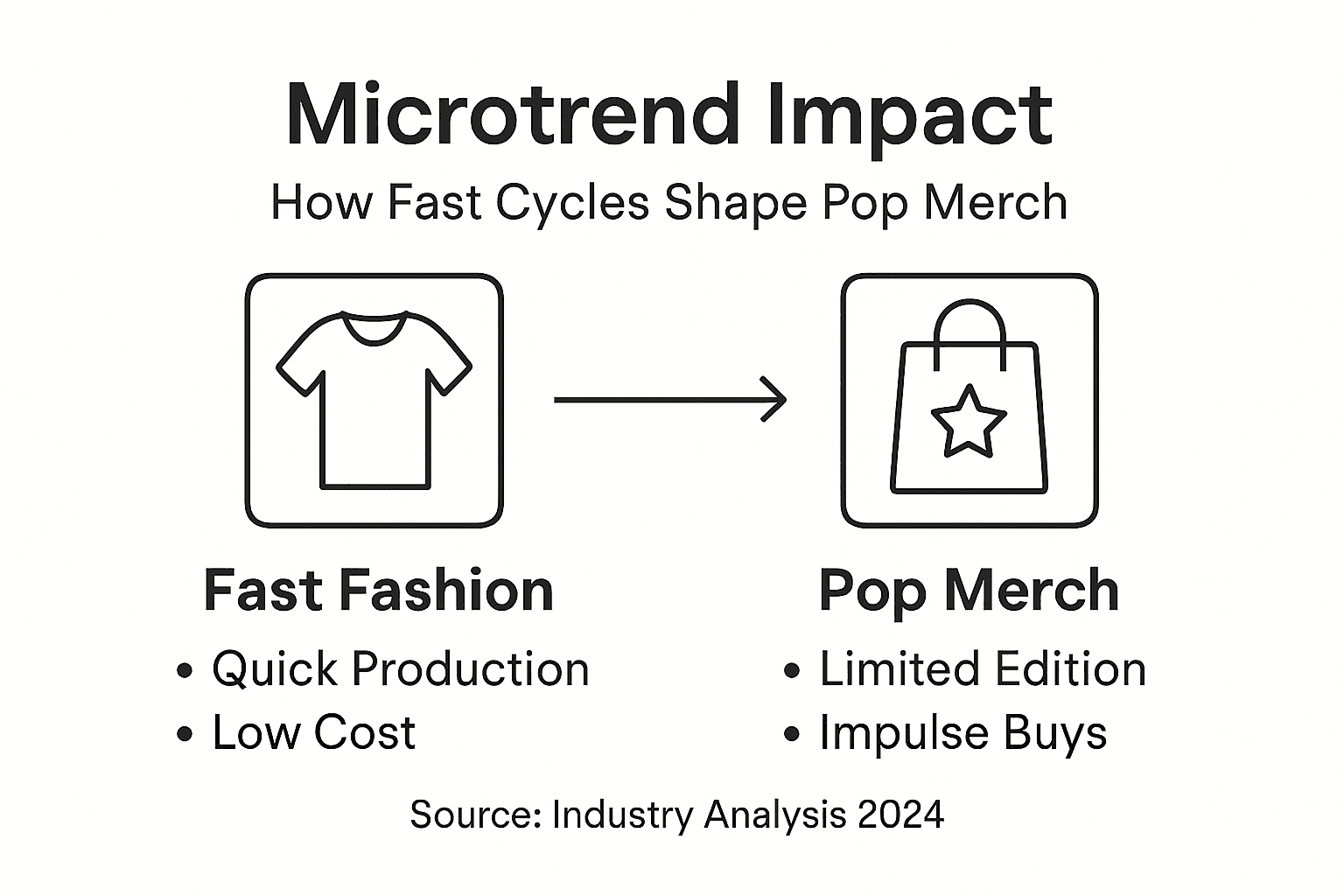
Understanding this system is the first step toward making more intentional purchasing decisions. Recognizing that the trend cycle is deliberately accelerated by forces outside your control helps you separate genuine interest from artificial urgency. When you see a trending item, ask yourself whether the trend is emerging organically from communities you’re part of, or whether it’s being amplified by algorithms and marketing. Ask yourself whether you’re buying the item because you love it or because you’re afraid of missing out. Ask yourself what will happen to the item when the trend shifts. These questions won’t stop you from participating in microtrends entirely, but they can help you participate more consciously, purchasing items that align with your actual interests rather than just chasing what’s algorithmically amplified this week.
Pro tip: Before purchasing any trend-driven merchandise, check whether the trend is still gaining momentum or if it’s already peaked by monitoring how many creators are posting about it; if the number is declining, the trend cycle is ending and you’re buying something that will feel dated within weeks.
Risks of Rapid Microtrend Adoption
The allure of microtrends is understandable. New aesthetics emerge constantly, giving you endless options to express yourself and stay culturally relevant. But this constant churn comes with serious costs that extend far beyond your personal wardrobe. Rapid microtrend adoption fuels overconsumption and environmental degradation due to constant production and disposal of trend-driven fast fashion, creating a cycle where items are manufactured, purchased, worn briefly, and then discarded at an accelerating pace. The numbers are sobering. The fashion industry already accounts for roughly 10 percent of global carbon emissions and produces 92 million tons of textile waste annually. Microtrends are making this worse by compressing the traditional trend cycle from months or years down to weeks or days. A jacket that might have stayed in someone’s wardrobe for several seasons now gets worn a handful of times before feeling dated. When multiplied across millions of consumers, this creates staggering amounts of waste. Most of that waste ends up in landfills where it sits for decades, or it gets shipped to developing countries where it pollutes local environments and undermines local textile industries.
Beyond the environmental impact, microtrend adoption creates psychological and financial risks for consumers. The rapid adoption of microtrends poses risks including environmental harm from increased waste and overproduction, but also consumer fatigue as fast-changing trends pressure people to constantly update their wardrobes. You experience what researchers call “trend fatigue,” where the constant pressure to stay current becomes mentally exhausting. You’re supposed to care about what’s trending this week, what will trend next week, and whether your purchases align with the current aesthetic zeitgeist. This creates decision paralysis and anxiety. You spend money constantly trying to keep up, only to find that your purchases feel dated almost immediately. For anime and gaming fans specifically, this is particularly problematic because merchandise tied to microtrends carries the additional weight of fandom identity. You’re not just buying clothes to stay fashionable. You’re buying clothes to signal your identity as a fan. When that merchandise feels dated, it can feel like your fandom identity itself is becoming outdated, which creates emotional conflict beyond typical fashion fatigue.
There’s also the labor dimension that often gets overlooked. The speed at which microtrends require production creates pressure on factory workers to work faster, longer, and under worse conditions. When a brand needs to produce 50,000 units of a trending item within two weeks, that pressure gets passed down to the workers manufacturing those items. Wages remain low, safety standards get compromised, and workers absorb the stress of impossible timelines. You might not see this directly when you’re purchasing a cheap hoodie that captures a trending aesthetic, but it’s embedded in the supply chain. The business model of microtrends depends on exploitative labor practices to maintain profitability while selling at prices consumers expect. Additionally, the constant churn of microtrends creates a mentality where individual style becomes secondary to trend-chasing. You stop asking yourself what you actually like or what expresses your personality. Instead, you ask what’s trending and whether you can access it quickly enough. This erosion of individual aesthetic identity is subtle but real. Over time, people who constantly chase microtrends often find that they have no coherent personal style. They have a closet full of items from different trends that don’t work together because each item was purchased to capitalize on a different moment in the trend cycle.
This table summarizes key risks associated with rapid microtrend adoption:
| Risk Type | Description | Example Impact |
|---|---|---|
| Environmental | Increased waste and pollution | More clothes in landfills |
| Psychological | Trend fatigue and decision anxiety | Difficulty choosing outfits |
| Financial | Constant buying to keep up | More money spent on apparel |
| Labor | Poor working conditions from high-speed demands | Factory workers under pressure |
The countermovement to all this is gaining momentum. More consumers, particularly younger ones who’ve grown up watching microtrends accelerate, are actively rejecting the cycle. They’re investing in fewer, higher-quality pieces. They’re seeking out timeless aesthetics rather than trend-driven ones. They’re buying from sellers who produce limited quantities rather than flooding the market. For anime and gaming merchandise specifically, this means seeking out pieces that have genuine staying power within your favorite franchises rather than items that are tied to momentary aesthetic trends. It means valuing quality over quantity, collecting intentionally rather than impulsively, and building a personal collection that reflects your actual interests rather than algorithmic amplification.
Pro tip: Create a personal style reference that exists independently of current trends by saving images of outfits and merchandise that genuinely resonate with you over months, then notice patterns in what you’re consistently drawn to; this reveals your authentic aesthetic preferences versus trend-driven impulses.
Discover Timeless Anime and Gaming Merchandise Beyond Microtrend Cycles
The fast pace of microtrends can leave you overwhelmed with fleeting styles that lose their appeal in weeks. If you want to build a personal collection that truly represents your fandom and style without falling for the pressure of constant trend-chasing Project Kitsune.shop offers a carefully curated selection of anime and gaming apparel and accessories designed with genuine fans in mind. Instead of impulse buys driven by fleeting algorithmic hype choose products that match your authentic interests and stand the test of time.
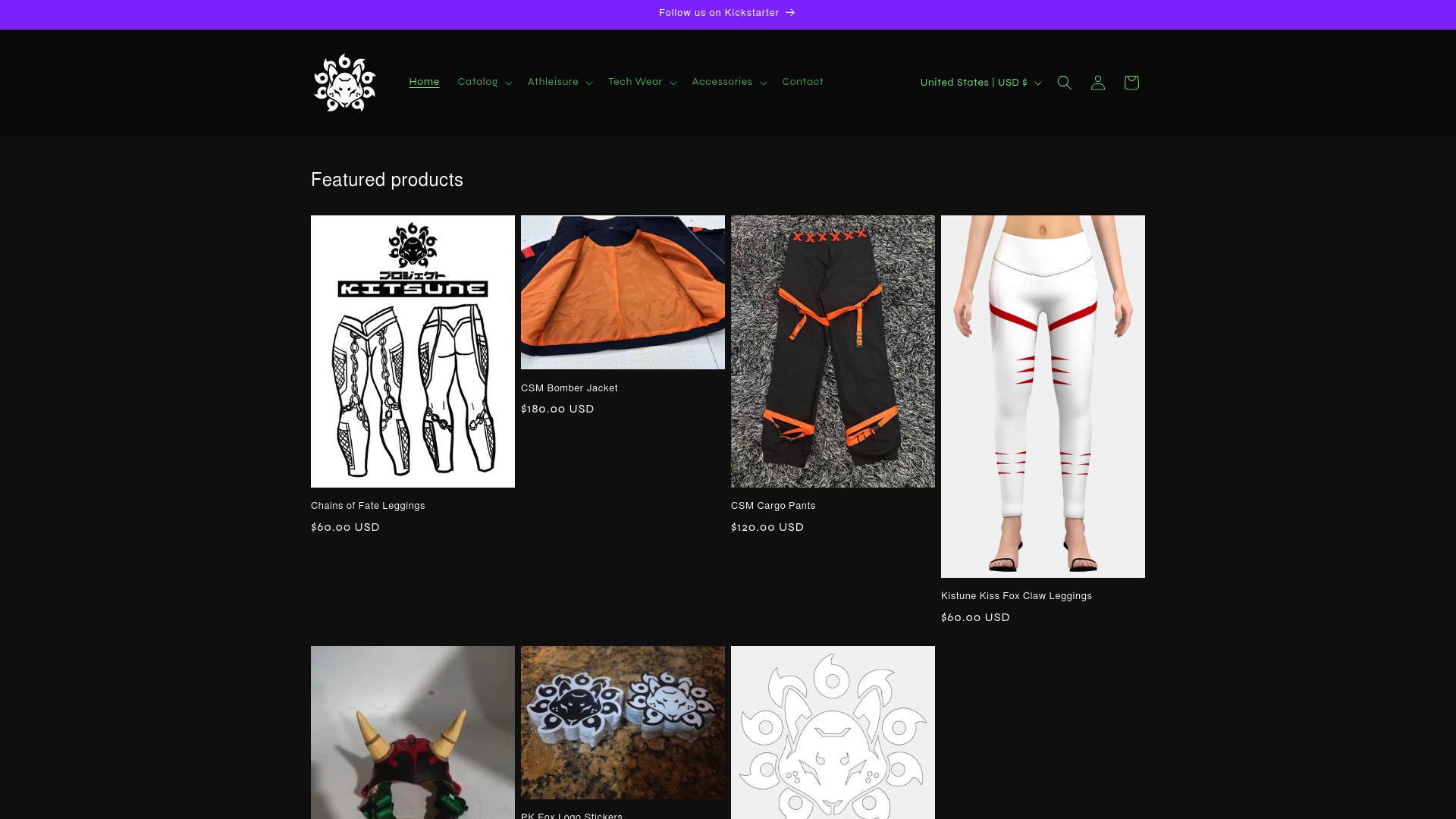
Explore our unique hoodies cargo pants and accessories at Project Kitsune.shop and embrace a smarter way to shop that balances community identity with lasting value. Start building your collection now and avoid the pitfalls of trend fatigue and overspending by shopping our exclusive offerings today.
Frequently Asked Questions
What are microtrends in fashion?
Microtrends are niche fashion movements that rise, peak, and fade in a matter of weeks, often driven by social media platforms like TikTok and Instagram. Unlike traditional trends, they tend to be hyper-specific and can center around a single style, color, or aesthetic detail.
How do social media algorithms impact microtrend popularity?
Social media algorithms amplify engagement by promoting content that garners likes and shares. When a creator posts about a specific trend, the algorithm increases its visibility, leading to rapid adoption across the platform, creating a sense of mass appeal even if the trend is short-lived.
What are the environmental consequences of microtrends?
Microtrends contribute to overconsumption and waste, as fast fashion brands produce items quickly to meet fleeting demand. This leads to substantial textile waste and increased carbon emissions, as many products are discarded after only a few uses.
How can consumers avoid falling into the microtrend cycle?
Consumers can set a reflection period before purchasing trendy items, such as a 48-hour rule, to determine if they still find value in the item after some time. Following multiple sources for trend insights and focusing on timeless pieces that resonate with their identity can also help in making more intentional purchases.